A Designer’s Guide to Hotel-Grade Bedding Standards: Materials, Weaves, and Certification
Explore the standards that define luxury hotel bedding—from fabric selection and thread counts to weave types, finishing processes, and the certifications that assure health and sustainability. This guide translates the hotel experience into practical, non-promotional guidance for home decorators, hospitality professionals, and sleep enthusiasts who seek credible insight without sales copy.
Introduction: What makes hotel-grade bedding feel so transformative?
When top hotels welcome guests into a room that seems to cradle sleep itself, the magic is often a well-curated constellation of textiles rather than a single standout item. The right combination of fiber, weave, finish, and fit can deliver a surface that is simultaneously breathable, soft, durable, and easy to care for. In this designer’s guide, we dissect the elements that elevate bedding to “hotel-grade” status, and we offer evidence-based checklists to help you replicate, at home, a sleep environment that reads as calm, restorative, and unmistakably premium.
We emphasize materials and tests you can perform, not marketing slogans. From cotton sateen to linen and blended fabrics, we compare hand feel, air flow, moisture management, and long-term performance. We also explore the value of certifications—OEKO-TEX, GOTS, and beyond—to anchor decisions in health, sustainability, and verifiable standards.
1) Materials: Cotton, Linen, and Blends—What hotel designers actually choose
Materials form the backbone of any bedding program. In hotel rooms that feel both luxurious and durable, the selection typically favors long-staple cottons, linen for seasonal breathability, and carefully engineered blends that balance price, performance, and care. Here, we lay out the core options with a practical lens.
- Egyptian cotton or long-staple cotton: Known for a smooth hand and reliable strength, these fibers often become the backbone of percale and sateen weaves. Hotels favor 300–600 thread counts, balancing soft hand with washability and durability. A higher thread count is not inherently better; hotel programs tend to prioritize a fabric that feels crisp in first touch, yet soft with repeated laundering.
- Linen (organic or certified): Linen’s natural moisture-wicking and temperature-regulating properties make it a star for warm climates or year-round comfort. Hotel programs sometimes deploy linen as a top-layer sheet or duvet cover, especially in premium suites, because it grows softer with use and handling. Certifications like GOTS can assure organic fiber sourcing and responsible production.
- Blends and engineering fabrics: Blends, such as cotton-linen or cotton-synthetic mixes, aim to optimize elasticity, wrinkle resistance, and price. The goal is to maintain a breathable surface that remains comfortable across seasons without the stiffness that some pure fibers may acquire after repeated washing.
2) Weaves: Percale vs. Sateen—and why cops and editors alike care about the weave
The weave determines texture, breathability, and how a sheet feels on the skin. In hotel rooms, percale and sateen remain the most prevalent weaves, each offering a distinct “face” of luxury.
- Percale: A crisp, lightweight weave with a matte finish. Percale is typically a plain weave with a balanced structure that promotes airflow, making it a favored choice for hot sleepers or tropical climates. The feel is cool and clean, with a wrinkle-resilient, hotel-ready appearance.
- Sateen: A weave that produces a smoother, more lustrous surface with a slightly heavier hand. Sateen can feel more opulent and drapey, contributing to a sensorial luxury without sacrificing durability when properly finished and cared for.
- Specialty weaves and finishes: Mercerized cotton, enzyme washes, and other finishing techniques can subtly alter luster, strength, and hand feel. The best hotel programs select finishes that maintain a balanced appearance after many launderings.
3) Certifications: Why brands cite OEKO-TEX, GOTS, and others—and how they affect choices
Certifications act as independent attestations of fiber content, chemical safety, and sustainable practices. They do not guarantee flawless every-time performance, but they provide credible benchmarks that help buyers compare products without relying solely on marketing claims.
- OEKO-TEX: A global certification indicating textiles meet limits for certain harmful substances. It’s a general signal of safety and respect for consumer health, widely recognized across the industry.
- GOTS (Global Organic Textile Standard): The gold standard for organic textiles, covering both fiber processing and manufacturing. GOTS confirms organic fiber content and the sustainability of the production chain, which is especially pertinent for linen and cotton products.
- Other certifications to know: Fair Trade, Bluesign, and regional certifications can add layers of credibility to a bedding program. While not all hotels pursue every certification, a combination thereof often indicates a holistic approach to health, environment, and social responsibility.
4) Care and finishing: How to maintain that hotel-in-a-bedroom feel
The difference between good-looking bedding and bedding that truly feels premium under daily use often comes down to care and finishing. Hotels have rigorous laundering schedules, and their textiles are designed to withstand many cycles without significant degradation.
- Care instructions: Machine washing at appropriate temperatures, avoiding chlorine bleach on color-fast fabrics, and using gentle cycles help maintain fiber integrity. Tumble dry on low heat or line dry when possible.
- Dye stability and finishes: Finishes like enzyme wash provide a softer hand without compromising colorfastness. Mercered or mercerized cotton tends to resist pilling and maintain a crisp surface after washing.
- Fits and compatibility: Sheets and duvet covers should match mattress depth and duvet insert size to ensure a smooth, secure surface. Deep pockets and elasticized corners are common in premium sheets for a consistent fit.
5) A practical hotel-to-home checklist you can trust
The following checklist distills hotel-grade bedding standards into a home-friendly, implementable set of steps.
- Materials: Start with long-staple cotton or linen; consider organic options if sustainability is a priority; blends can offer balanced performance.
- Weave: Choose between percale for a crisp, breathable surface or sateen for a silky, luxurious feel. For hot sleepers, prioritize breathable weaves and lighter finishes.
- Certification: Look for OEKO-TEX, GOTS, or similar verification to ensure health and sustainability standards.
- Finish: Favor fabrics with durable finishes designed to resist wear and maintain color without compromising comfort.
- Care: Adhere to washing recommendations; avoid over-drying to prevent fiber fatigue; rotate sets to distribute wear evenly.
- Fit: Ensure fitted sheets, duvet covers, and pillowcases are appropriately sized for your mattress and pillow assortment; secure closures and corner ties as needed.
6) A designer’s tour through notable textiles and a featured product
In a real-world hotel-grade program, a curated selection anchors the room—yet the most lasting impression comes from the materials’ fidelity over time. The following example and product spotlight illustrate how a premium textile can anchor a sleep environment.
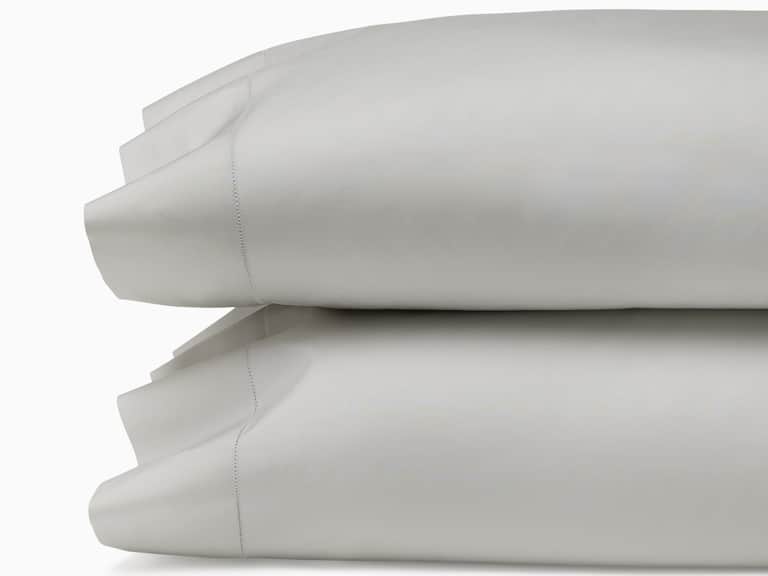
Luxor Pillowcases, crafted in Italy from 100% Egyptian cotton percale with a matte finish and refined hemstitching, serve as a tangible reference point for hotel-inspired sophistication. Their crisp hand and breathable surface epitomize the percale aesthetic that hotel guests often note as refreshingly cool upon contact. The tailored hemstitch frames the bed with understated elegance, while the percale weave contributes to a sense of quiet cleanliness that translates well into a home setting.

Luxor Pillowcases — Sferra
A premium pillowcase crafted in Italy from 100% Egyptian cotton percale with hemstitching and a matte finish. A crisp, cool hand frames the bed with understated sophistication.
Materials: Percale; 100% Egyptian Cotton | Finish: Matte | Care: Machine wash warm; tumble dry low
In addition to Luxor, consider Sleep and Beyond Organic Cotton Percale Duvet Cover Set as a benchmark for home-friendly luxury. Its 300-thread-count percale weave delivers a crisp, breathable surface that remains durable after multiple launderings. The corner ties and coconut-shell buttons offer practical, hotel-style detailing that reinforces a calm, organized bed ensemble.
Sleep and Beyond Organic Cotton Percale Duvet Cover Set
Organic cotton, 300-thread-count, percale weave; corner ties; coconut-shell buttons.
A robust reference point for a practical, hotel-like duvet cover that emphasizes cleanliness and comfort.
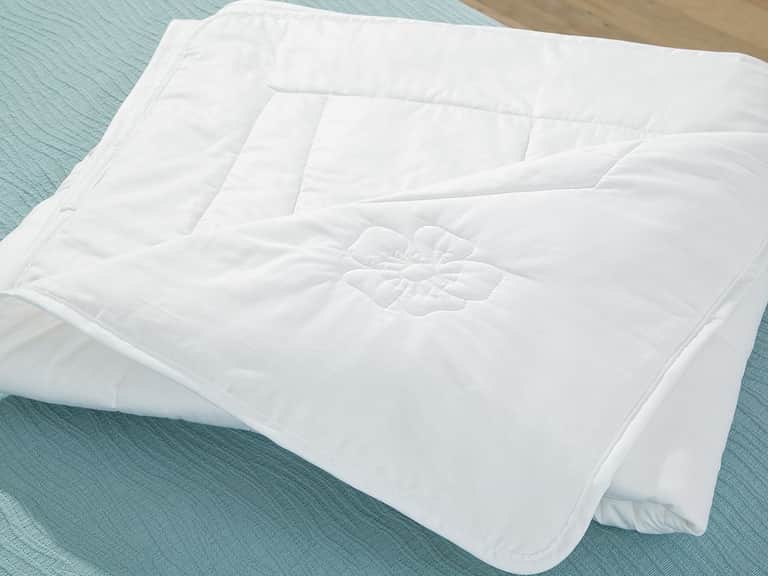
Downtown Company Summer Linen Comforter
Cotton-linen blend fill with a cotton sateen cover; Aloe Vera finish; breathable and seasonally adaptive.
Illustrates how temperature regulation and light insulation can coexist in a premium comforter—useful as a top-layer complement to hotel-grade sheets.
7) A nod to time periods and the designers who shaped the bedding landscape
Great design endures because it speaks across eras. Here are three key figures—from a historic master of textiles to contemporary designers—whose ideas echo in today’s hotel-grade standards.
- Historian-Designer: Edward William Godwin (late 19th–early 20th century). A pioneer in modern interior design whose belief in integrated textiles informed how textile surfaces contribute to a room’s mood. His approach underscores the value of considering the bed as a complete aesthetic system—fabrics, textures, and finishes working in concert.
- Mid-20th Century Hospitality Innovator: Florence Knoll. A steward of streamlined, durable luxury, Knoll’s emphasis on functional elegance translates into today’s hotel bedding programs where performance and restraint meet high design values.
- Contemporary Textile Thought Leader: Arianna LaRosa (b. 1980s). A designer who foregrounds sustainability, certified fabrics, and consumer education, aligning with the modern hotel standard that privileges transparency and responsible sourcing.
Conclusion: Crafting credibility through standards, not slogans
To cultivate a true hotel-grade bedding program at home, think in layers: select materials with testable properties, choose appropriate weaves for climate and season, seek credible certifications, and commit to care practices that preserve the surface’s integrity across years of use. The goal is not merely to imitate a hotel room, but to internalize the discipline that underpins durable, healthy, and beautifully comfortable sleep environments.
In the end, credibility matters. A home bedding plan that prioritizes tested materials, transparent certification, and practical care will endure—much longer than fleeting fashion, and far more consistently than any marketing promise.
Notes on sourcing and further reading
This article references widely available textile benchmarks and certifications to help you evaluate options without bias. For shopping or product pulls, always verify current certifications on the supplier’s site or through independent databases. While product examples such as Luxor Pillowcases demonstrate how a premium textile may present in a real-world context, the emphasis remains on informed comparison and responsible selection rather than promotion.
Author’s glossary and quick-reference
- Thread count: A common shorthand for assessing fabric density; higher is not always better—hand feel and durability matter more in many hotel-grade contexts.
- Weave: Percale (crisp, breathable) vs. sateen (soft, drapey).
- Certification: OEKO-TEX (safety), GOTS (organic textiles), and related labels.